Curando la actualidad hispana…
Opinion
Climate change as a political priority
The Paris agreements face political obstacles. The energy transition is the political challenge of our era.
Virela editorial team
Updated
5 min
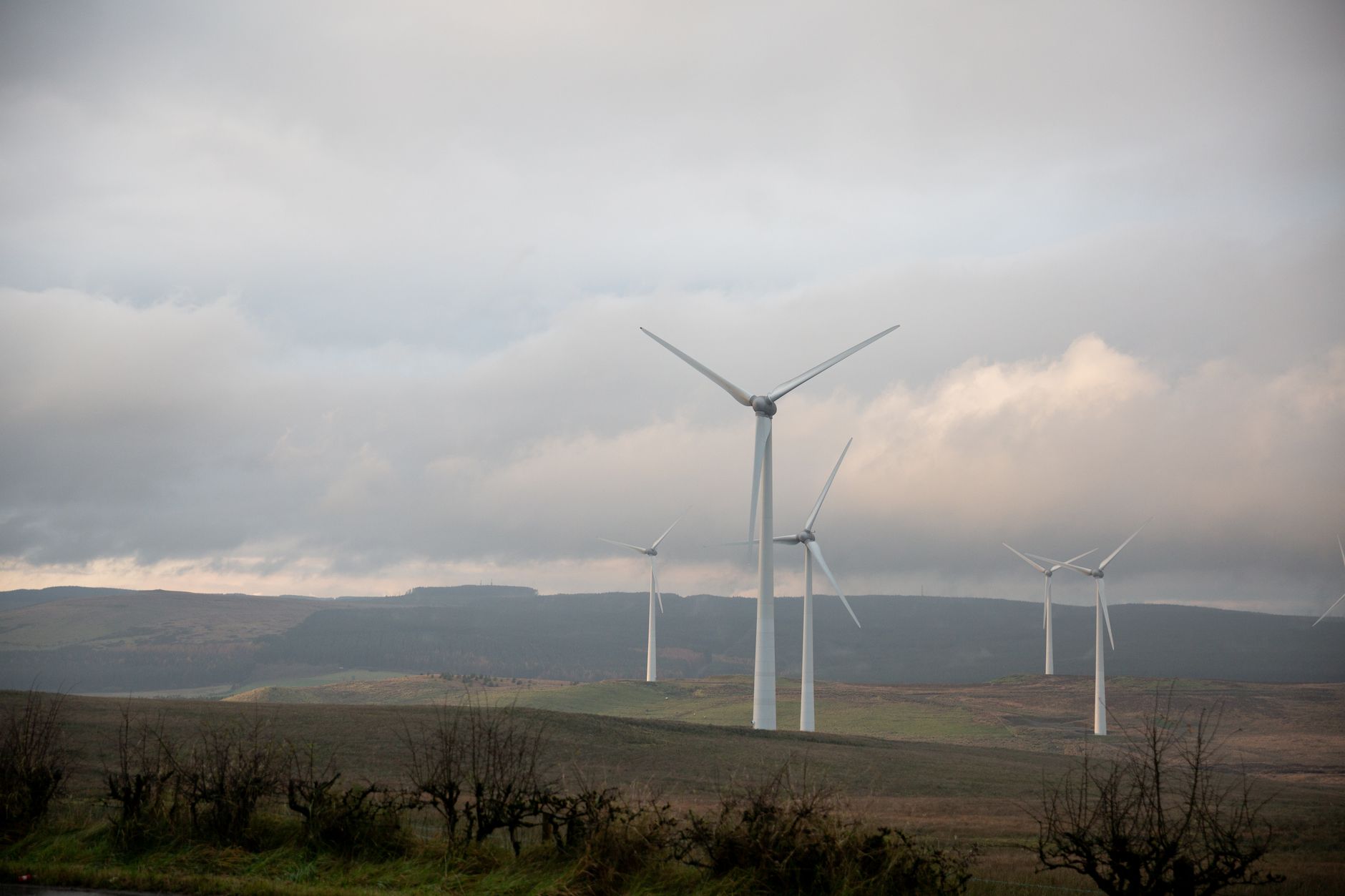
The Paris Agreement of 2015 was presented as a turning point: 196 countries committed to limiting global warming to 1.5 degrees Celsius above pre-industrial levels. A decade on, the balance is mixed. Global CO2 emissions remain higher in absolute terms than in 2015, though the growth rate slowed and installed renewable energy capacity grew steadily in most signatory countries.
The political tension surrounding the energy transition is not only between rich and developing countries, though that gap exists and is significant. It is also internal to each society: industrial sectors dependent on fossil fuels have organised interests and political power, while the costs of climate change are distributed diffusely and materialise over timeframes that exceed electoral cycles. That asymmetry explains much of the legislative slowness.
Technological advances changed the cost-benefit equation of the transition. Solar and wind energy are already the cheapest sources of electricity generation in most markets. Battery storage prices fell dramatically. But the transition is not only technological: it requires redesigning electrical grids, converting industries, managing unemployment in coal regions and financing adaptation in vulnerable countries. That is the political work that international agreements have not yet resolved.
Related articles


Virela editorial teamVirela editorial team
We cover technology, AI, and digital culture with editorial standards. Meet the team
Share article
Te gustó este artículo
Recibe lo mejor de Virela cada semana. Tecnología, cultura digital y herramientas útiles.
Comentarios
Iniciá sesión para dejar un comentario.